i gave up on vitamin c. then i stopped using serums.
Everyone with sensitive skin has an expensive bottle going orange at the back of a drawer. This is about what finally replaced mine.
The bottle cost me eighty pounds and it stung within four seconds. I remember the number because I counted, standing at the bathroom mirror at 7.15 in the morning, telling myself what every beauty editor had told me: the tingle means it's working. By day three the tingle was a burn along both cheekbones. By day six there were two dry, flaking patches beside my nose and a redness that foundation made worse instead of hiding. On day seven I put the bottle at the back of the drawer, behind the hair ties and the expired sunscreen, and I did what dropouts do. I told myself I'd try again when my skin calmed down.
My skin calmed down. I never tried again. Eight months later I found the bottle while looking for a plaster, and the liquid inside had turned the colour of weak tea going on rust. Vitamin C does that when it oxidises. It spoils quietly in the dark, like a grudge. Eighty pounds, one-third used, and somehow the waste stung more than the serum had.
The dropouts' club
Once I started mentioning it, I found we are everywhere. The colleague who kept her serum in the fridge like insulin and still watched it go amber. The friend whose chin broke out every time she made it past week two. The reader who wrote to me that her face went hot like a slapped cheek and her dermatologist shrugged and said some skin doesn't tolerate it. We had all read the same articles about glow and dark spots and antioxidant defence. We all still wanted those things. We had simply been priced, and stung, out of the ingredient.
Here is the honest version of what happened to us, which I wish someone had printed sooner. Raw L-ascorbic acid, the classic form in most brightening serums, has to be formulated at a low pH to stay stable. Acid, applied daily to reactive skin, behaves like acid. It commonly irritates. And it is famously unstable anyway: exposed to light, air and time, it oxidises and discolours, often before the bottle is finished. None of this means vitamin C was a lie. It means the delivery was built for skin more robust than ours, and the failure was filed under our name instead of the formula's.
The turn
I stopped looking for a serum I could survive and, for about a year, I stopped looking at all. The thing that ended the strike arrived without ceremony, a small cream-glass jar a friend left on my kitchen table after a weekend visit, with a note that said: gentler route, tell me if I'm wrong.
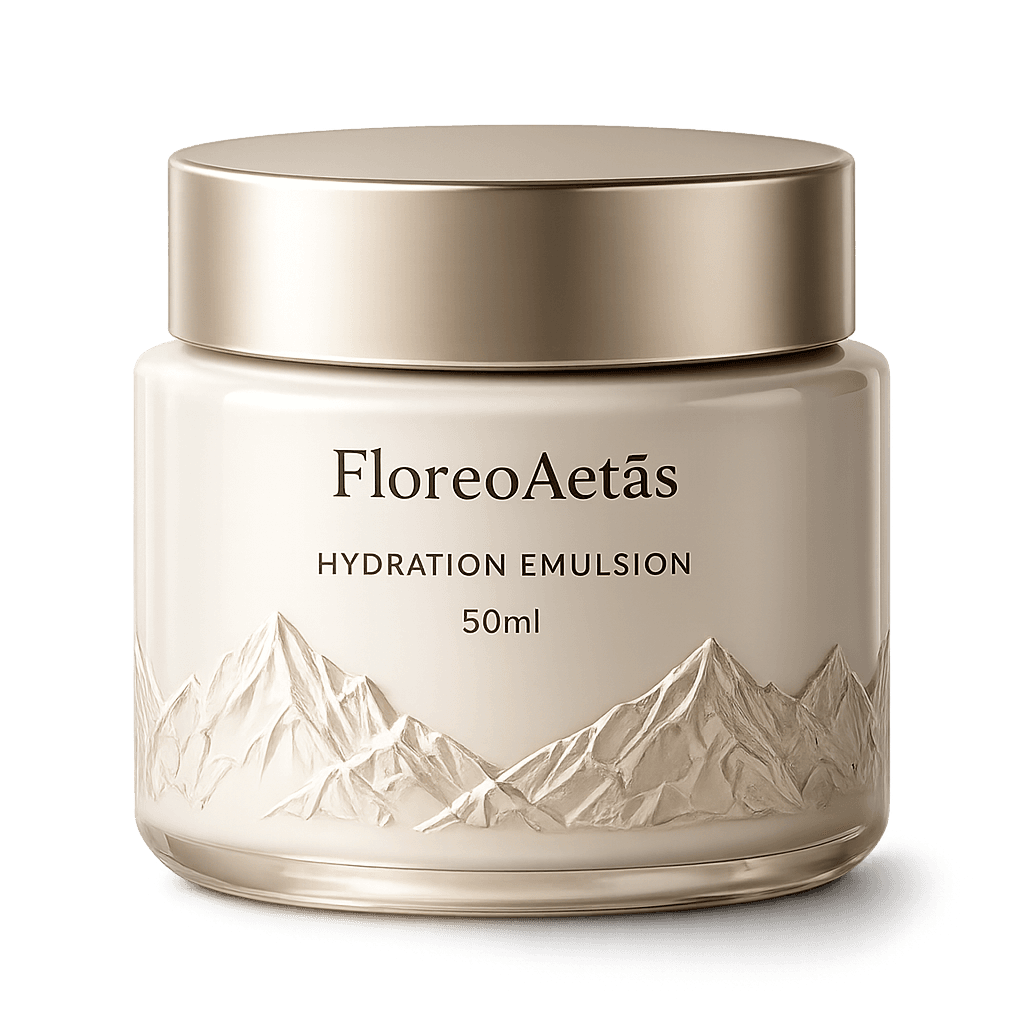
It was the Hydration Emulsion from FloreoAetās, an Andean-inspired house I knew mostly for the mountain relief pressed into the base of their jars. What made me actually try it was one line on the card inside: fruit-derived vitamin C, suspended in a buffering emulsion. In other words, the vitamin C arrives folded into moisture and emollients, delivered as hydration rather than as an acid bath. The emulsion itself does the diplomatic work, cushioning the active so the skin receives it without being asked to endure it.
I did the test I do with everything now. A fingertip, left cheek only, 7.15 at the mirror, counting. Four seconds, nothing. Ten. Nothing at all, except the faintly ridiculous sensation of moisturised skin. The next morning there was no redness to check for, and I want to be precise about what that felt like: for the first time in years, my face was not fighting back.
What it does and doesn't promise
I'll keep the mechanism short, because the brand does. It is one layer, an emulsion light enough to sink in with a watery, non-sticky finish, carrying hydration and a gentle, fruit-derived vitamin C together. The buffering keeps the active mild on skin and slow to spoil in the bottle. The aim is what the dropouts wanted all along: gradual brightening and everyday antioxidant support, at a pace reactive skin can live with. There are no percentages on the label shouting at you, and I have come to read that as a kindness rather than an omission.
Six weeks in, my rusty-amber bottle went in the bin, and I noticed I felt nothing about it. The emulsion sits on the shelf where the serum graveyard used to start, cream glass, brushed-gold lid, small enough that it has travelled with me twice. It is more than half used, which regular readers will know is the only skincare statistic I trust.
The other voices
When I mentioned I was writing this, two members of the dropouts' club sent me their own verdicts. I'm quoting them as they arrived, spelling and all, because polished testimony is how we got into this mess:
“First vitamin C my face didn't reject. I kept waiting for the sting like a phantom limb. Week three and my cheeks are still boring, which is everything I ever wanted from skincare.”
Sensitive skin, five-time serum dropout
“I can't tell you it transformed me overnight because it didn't. What I can tell you is I've used it every single day for two months, and I have never once managed that with a vitamin C before.”
Reactive, redness-prone skin
That second one is the quiet truth of the whole category. The best active is the one your skin lets you keep using. Consistency was always the ingredient we were missing, and it turns out consistency is mostly a matter of comfort.
If you quit vitamin C because it made you flinch, there is a version that arrives as moisture and asks nothing of you at the mirror.
Read the ingredient notes