why your skin gets oilier the more you try to mattify it
A woman in Central spent ten years judging moisturisers by how heavy they felt at lunch. She was measuring the wrong thing.
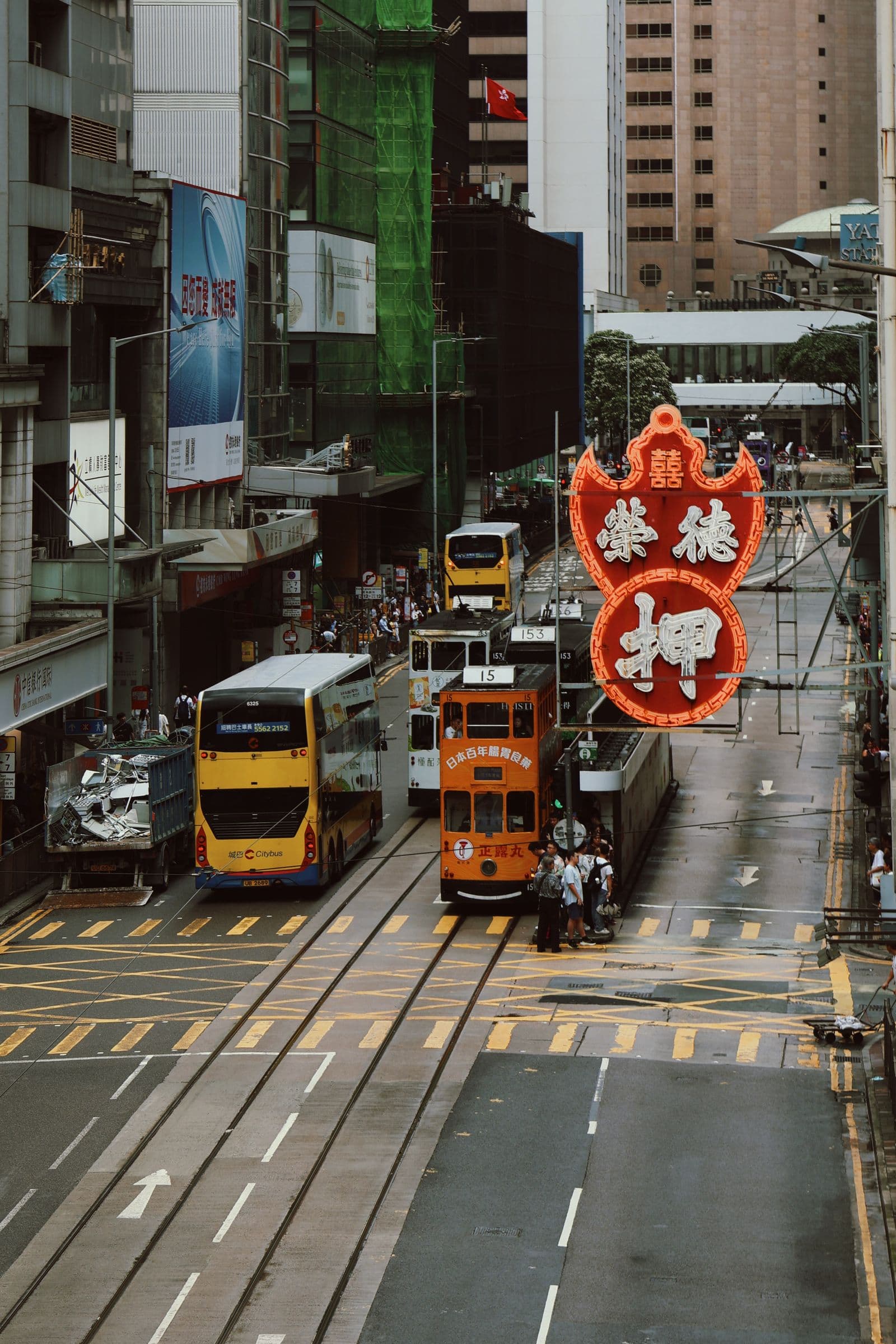
It is 11.04 on a Tuesday morning and Elaine is in the bathroom on the 23rd floor, tilting her face under the light the way you check a windscreen for rain. The forecast outside says 89 per cent humidity. The forecast on her forehead says the same. She pulls a blotting paper from the packet she keeps behind her security pass, presses it to her nose, and watches it turn translucent. Third one since breakfast. The meeting is at half past.
If you have oily or combination skin in this city, you know the ritual. You know the exact tile you stand on. You know the difference between morning shine, which is honest, and 3pm shine, which feels like a betrayal, because you did everything right. You washed gently. You skipped the cream. You chose the gel that promised to be weightless and then sat on your skin like cling film the moment you stepped out at Admiralty.
The drawer of almosts
Elaine has a drawer at home that many of us have. It holds nine moisturisers, each abandoned between one-third and half full. Every one of them was bought after reading the word lightweight on the label, and every one of them failed the same exam: the walk from the MTR to the office, eleven minutes of wet air, after which her skin felt like it was wearing a second, stickier skin on top.
So she did what most of us do. She retreated. Toner, sunscreen, nothing else. Mattifying primer when it mattered. Blotting papers in the handbag, the desk drawer, the gym bag. And her skin, curiously, got shinier. Tighter across the cheeks by evening, oilier through the T-zone by noon, and dull in a way that no amount of blotting fixed.
Here is the part nobody had told her, and it changes everything about how you shop: oily skin can be thirsty. When skin loses water, whether to a dehumidified office set to 19 degrees or to a routine stripped down to almost nothing, it often responds by producing more oil, an overcorrection, the way a nervous host keeps refilling your glass. The shine at 11am is frequently your skin asking for water. Answering it with less moisture, or with another mattifying layer, asks the question louder.
The turn
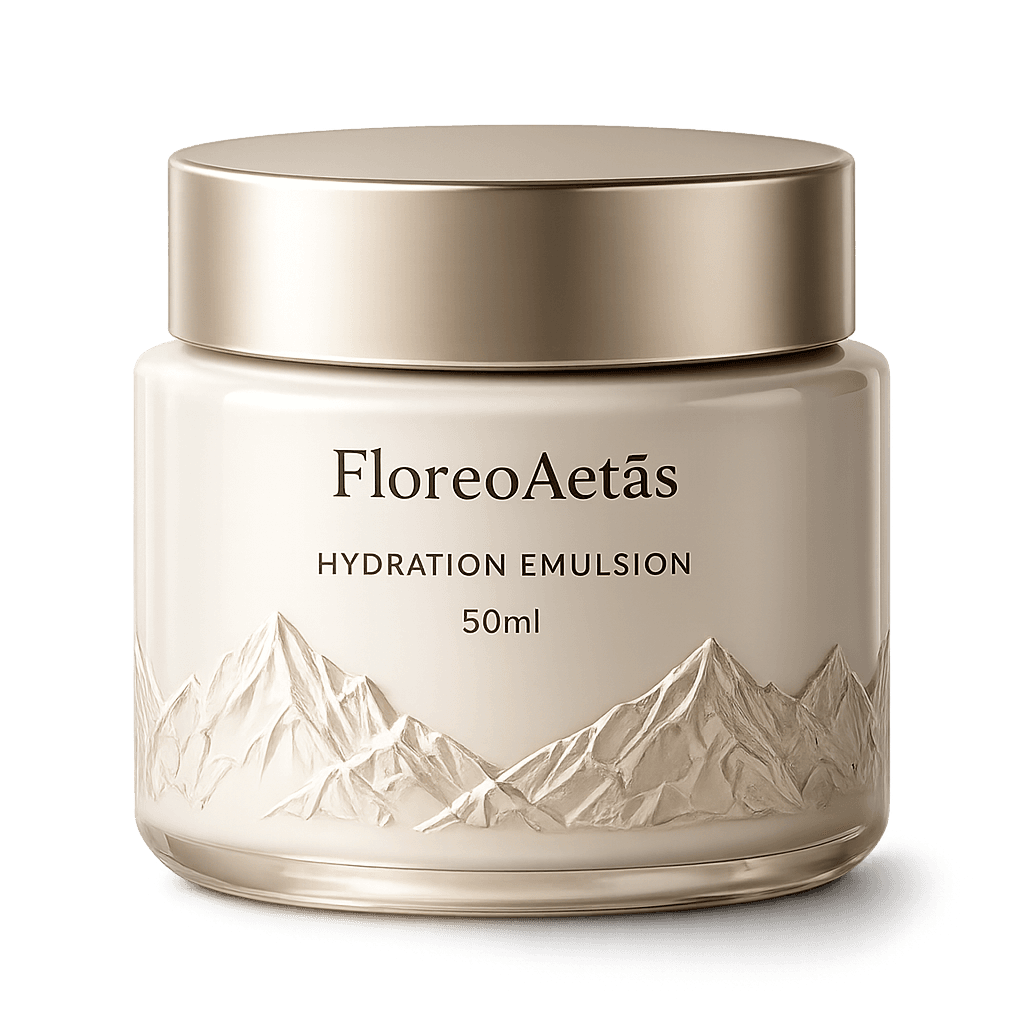
The change, for Elaine, came from a friend who worked in fragrance and had strong opinions about texture. She pressed a small cream-glass jar into Elaine's hand, a brushed-gold lid, a mountain range pressed quietly into the base, and said only: this one behaves like water going in.
It was the Hydration Emulsion from FloreoAetās, a Hong Kong-based house that takes its cues from the Andes, of all places, a landscape that knows something about holding moisture in punishing air. Elaine was sceptical. It looked like it belonged on a shelf, and things that belong on shelves had let her down before.
She used it on a Thursday evening in July, windows fogged, air heavy enough to lean on. A fingertip's worth, warmed and pressed in. It went on like milk and then, within the minute, it simply wasn't there. No film. No slip when she touched her cheek. She waited for the stickiness to arrive the way you wait for a headache you know is coming. It didn't. That was the whole event. Skincare epiphanies are quiet like that.
Why it behaves differently
The word doing the work here is emulsion. It sits in the space between an essence and a cream: water-led, with just enough structure to carry actives into the skin rather than resting them on top. The FloreoAetās formula delivers its hydration and its brightening in one layer, which matters in this climate, because every additional layer is another chance for something to sit, mingle with humidity, and turn to film.
Inside that single layer is a gentle, fruit-derived vitamin C, suspended in a buffering emulsion. If you have tried a raw L-ascorbic acid serum and met the sting, or watched one oxidise to orange in a month, this is the calmer route to the same territory: gradual brightening and antioxidant support without the drama. The finish is watery and it does not linger. Hydration underneath, nothing on top.
And because the skin is getting the water it was asking for, the overcorrection eases. Two weeks in, Elaine noticed the shine had thinned. She had spent a decade avoiding moisture to manage oil. The moisture had been the missing part.
What it sounds like when it works
The most convincing testimony for a product like this is unglamorous, because the product's whole achievement is absence. The film that never forms. The blot that stops being necessary. Two voices from early customers, kept as they were written:
“I finally stopped blotting by noon. I kept reaching for the packet out of habit and then realising there was nothing to blot. It took about a week for my hand to catch up.”
Combination skin, Sheung Wan
“I'd written off moisturiser entirely, honestly. This is the first thing I've worn through August that I forgot I was wearing by the time I got to the office.”
Oily skin, Quarry Bay
Neither of these is a fireworks review, and that is rather the point. In 90 per cent humidity, the highest compliment a moisturiser can earn is that you stopped thinking about your skin at 11am.
Elaine still keeps blotting papers behind her security pass. Old habits, she says. But the packet she opened in June is the packet she has now, and the drawer of almosts has gone to her building's swap shelf. The jar on her desk is cream glass, and it is more than half empty, which, in the economy of skincare, is the only statistic that means anything.
One layer, pressed in before you leave. It should survive the walk from the MTR to the meeting, and it does.
See the formulation